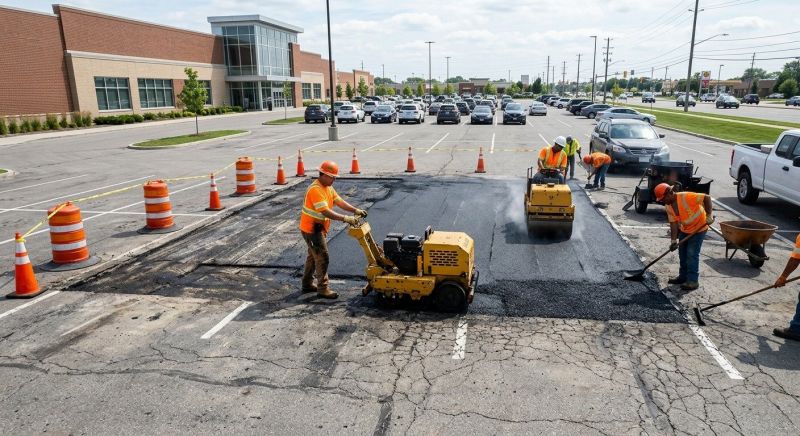
Highway Resurfacing in Los Angeles, CA
Highway resurfacing services involve restoring and renewing existing roadways to improve their safety, durability, and appearance. This process typically includes removing the top layer of worn or damaged pavement and applying a new layer of asphalt or other suitable materials. Projects can range from repairing sections of residential streets and driveways to larger-scale projects such as parking lots, private roads, or community access routes. Property owners interested in resurfacing should understand the scope of the existing surface, the condition of underlying layers, and any necessary prep work to ensure a smooth and long-lasting finish.
Before requesting highway resurfacing, property owners often want to know about the current state of their pavement, including cracks, potholes, or surface wear that may need addressing. It’s also helpful to consider the traffic volume and load the surface will bear, as these factors influence the type of resurfacing material used and the overall project approach. Clarifying the desired outcome-whether a simple refresh or a more extensive reconstruction-can help ensure the resurfacing process meets expectations and enhances the property's functionality and appearance.
Many property owners in Los Angeles, CA look into Highway Resurfacing for repairs, replacements, upgrades, and appearance-related improvements.
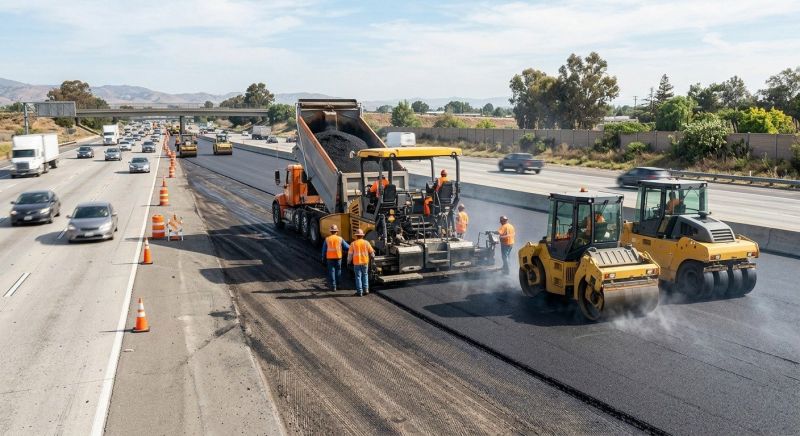
Road Surface Renewal
Highway resurfacing restores smoothness and safety for busy los angeles streets.
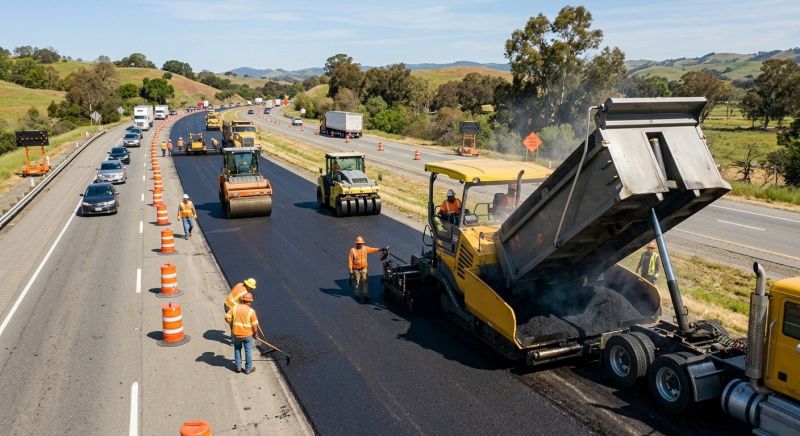
Durable Pavement Solutions
Resurfacing provides long-lasting protection against wear and tear on highways and driveways.
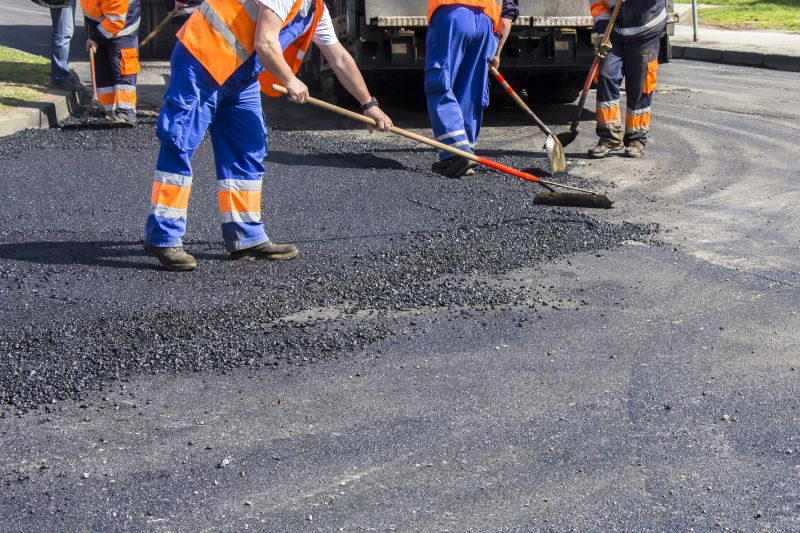
Traffic Flow Improvement
Proper resurfacing reduces congestion and enhances driving comfort for residents and commuters.
Highway Resurfacing in Los Angeles, CA
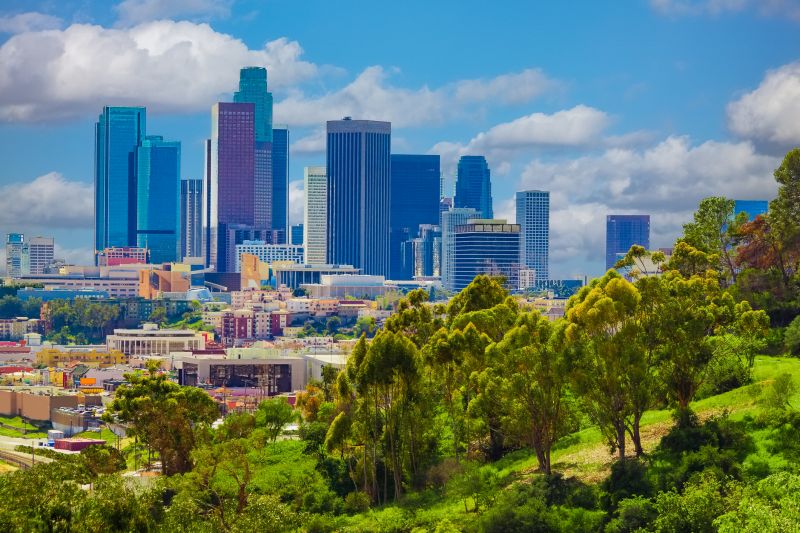
Highway resurfacing services involve restoring and renewing existing roadways to improve their safety, durability, and appearance. This process typically includes removing the top layer of worn or damaged pavement and applying a new layer of asphalt or other suitable materials. Projects can range from repairing sections of residential streets and driveways to larger-scale projects such as parking lots, private roads, or community access routes. Property owners interested in resurfacing should understand the scope of the existing surface, the condition of underlying layers, and any necessary prep work to ensure a smooth and long-lasting finish.
Before requesting highway resurfacing, property owners often want to know about the current state of their pavement, including cracks, potholes, or surface wear that may need addressing. It’s also helpful to consider the traffic volume and load the surface will bear, as these factors influence the type of resurfacing material used and the overall project approach. Clarifying the desired outcome-whether a simple refresh or a more extensive reconstruction-can help ensure the resurfacing process meets expectations and enhances the property's functionality and appearance.
Many property owners in Los Angeles, CA look into Highway Resurfacing for repairs, replacements, upgrades, and appearance-related improvements.
Common Highway Resurfacing Jobs
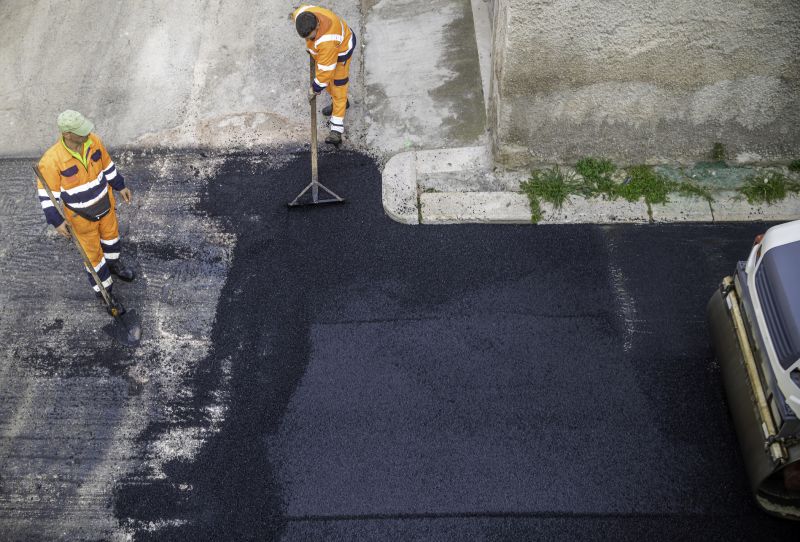
Highway Resurfacing - Restores the surface of roads to improve driving quality and safety.
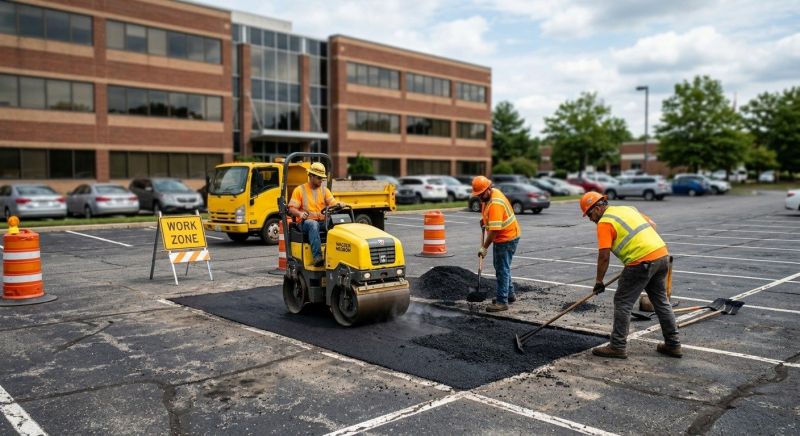
Pavement Overlay - Adds a new layer of asphalt over existing surfaces to extend pavement life.
Crack Sealing - Seals cracks to prevent water intrusion and reduce further pavement damage.
Full-Depth Rejuvenation - Replaces damaged layers to restore the structural integrity of the roadway.
Surface Repair - Fixes potholes and surface imperfections for smoother driving conditions.
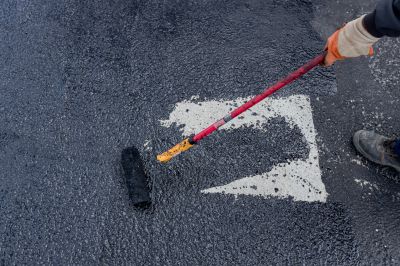
Traffic Marking & Striping - Refreshes road markings to enhance visibility and traffic flow.
Highway Resurfacing Questions
What types of surfaces can be resurfaced? Highway resurfacing typically involves repairing and restoring asphalt or concrete pavements to improve durability and appearance.
Is resurfacing suitable for heavily damaged roads? Resurfacing is most effective for surfaces with surface-level wear; severely damaged roads may require more extensive repairs or reconstruction.
What benefits does highway resurfacing provide? It enhances driving safety, extends the lifespan of the pavement, and improves the overall look of the roadway.
How often should highways be resurfaced? The frequency depends on traffic volume and wear, but generally, highways are resurfaced every 10 to 15 years to maintain quality.
Request Highway Resurfacing in Los Angeles, CA
Use the quote form on this page to share the basics of your project and request more information for the type of work you need.